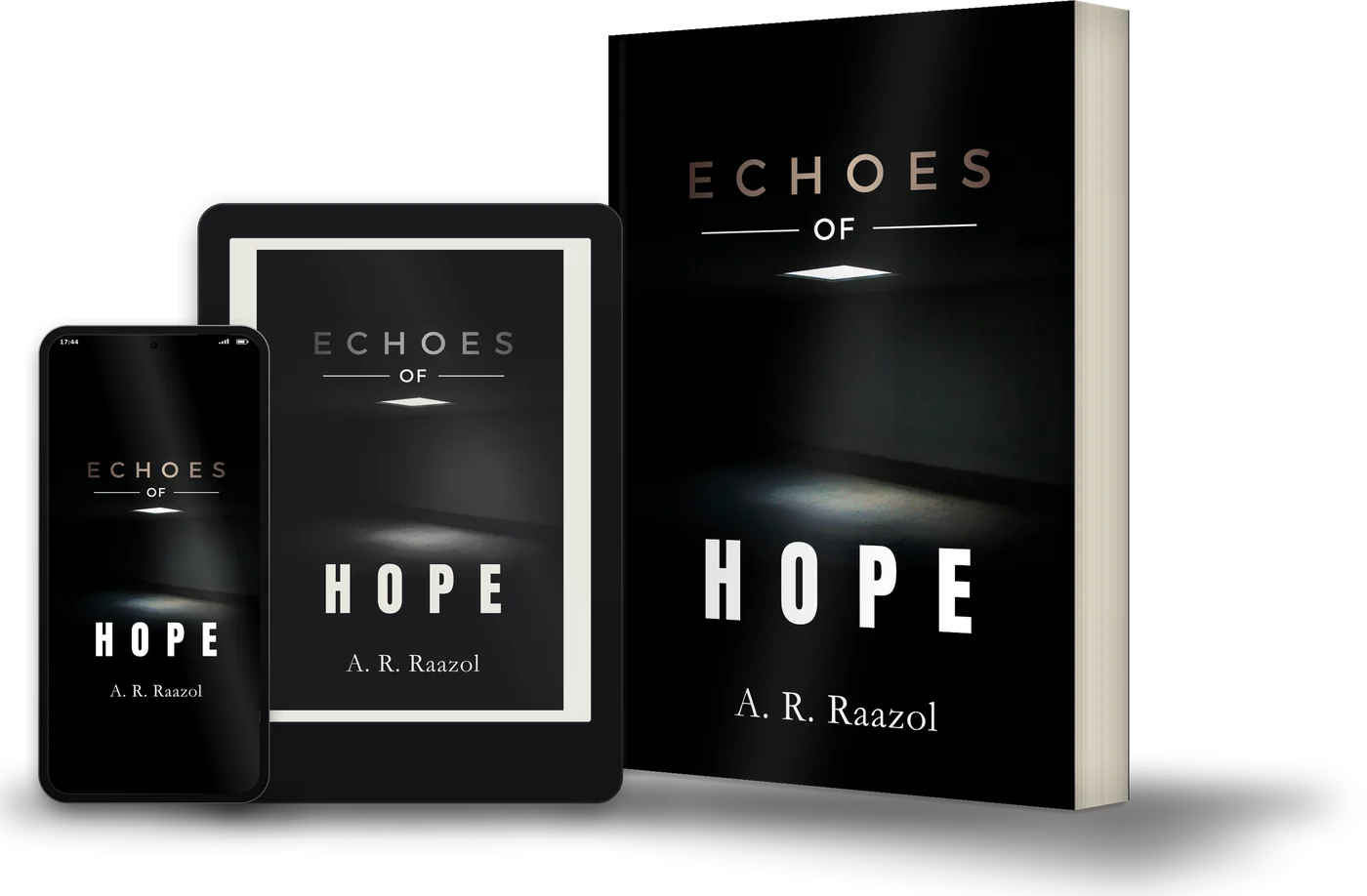
I began writing Echoes of Hope in November 2020. In the foreword, I describe that moment as a time when my heart felt torn between two worlds: two realities that shape me, both as a person and as a thinker.
Two catastrophic events, happening at the same time, continents apart, pushed me to put those feelings on the page.
October 2020 in Lagos
In October 2020, young Nigerians filled the streets under a single cry: #EndSARS. They were protesting against a police unit accused, for years, of extortion, torture and killings. On the night of 20 October, soldiers opened fire on protesters at the Lekki toll gate in Lagos. A generation that had raised its voice discovered what that voice could cost.
October 2020 in France
In the same weeks, France was living through fear. A teacher, Samuel Paty, was murdered on 16 October. On 29 October, three people were killed in a church in Nice. The next day, the country went back into lockdown. Freedom of expression was suddenly at the centre of every conversation, and so was suspicion.
A man between the two
Habeeb Ajao, the narrator of the novel, carries both of these realities. He walks out of a Paris prison in the summer of 2020, cleared after four years of a crime he did not commit, and leaves for Nigeria, his father's homeland, hoping for a fresh start. What he finds there is a family that rejects the Frenchwoman he loves, a police force that shoots first, and a generation that refuses to be silent.
The characters are imagined. Their struggle is not.
Change begins closest to home. Raising your voice matters, even when it feels small, even when silence is easier.
That is what I hoped readers would take from the book. If you have read it, I would love to hear what stayed with you.